



A new annual conference for those working with open source computation and data.
For people who want to understand, not just use.
Blackbox answers are easier to get than ever. But producing, understanding, trusting them? That's the hard part. And the interesting one.
The organizing team has contributed to Jupyter, Scikit-learn, Apache Arrow, Mamba, and many of the tools that power modern data science. Compute! is our conference.
Fernando created IPython and co-founded Project Jupyter, the open notebook that redefined how scientists communicate with computers. In an era when AI can generate code faster than we can read it, what it means to build tools that help people think, not just execute, has never mattered more.
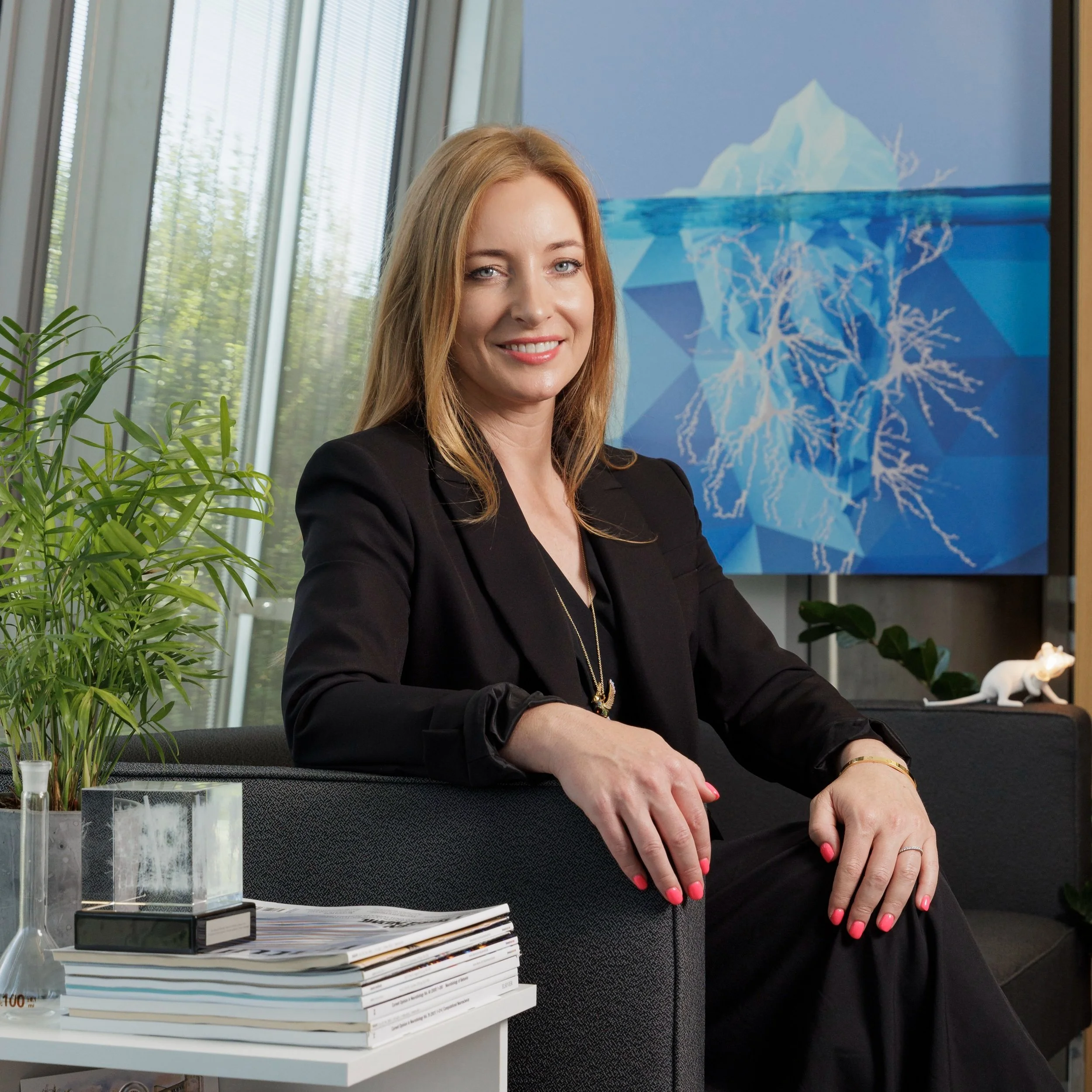
Mackenzie leads the Mathis Lab at EPFL and created DeepLabCut, open source pose estimation software now used across thousands of biology labs. A model case for how open tools reshape an entire research field.
Wolf built Mamba and then Pixi, redefining how scientific Python environments are built, shared, and reproduced. The entire open source data stack runs on top of package management, and Wolf has spent years making that foundation solid.
Where biologists, city planners, physicists, mathematicians, social scientists, policy analysts, and software engineers find themselves solving the same problem from different angles.
Go beyond the API. Learn how the algorithms, data structures, and pipelines you rely on actually work — and what that means for your results.
Spend two days alongside the people who maintain the open source stack. Ask them anything. Build things together.
The same data problems appear in biology, policy, physics, and engineering. The best insights come from talking across those boundaries.
Leave with new techniques, new contacts, and a clearer picture of where the field is heading — and where you fit in it.
Students and open source maintainers alongside established professionals and the decision-makers who shape how organizations use data. We mix the domains on purpose.
Researchers, educators, PhD students, and scientific computing practitioners pushing the frontier of reproducible science.
Engineers, data scientists, open source maintainers, and the leaders who decide how their organizations invest in data infrastructure.
Civil servants, policy analysts, and public sector teams using data to make decisions that affect everyone.